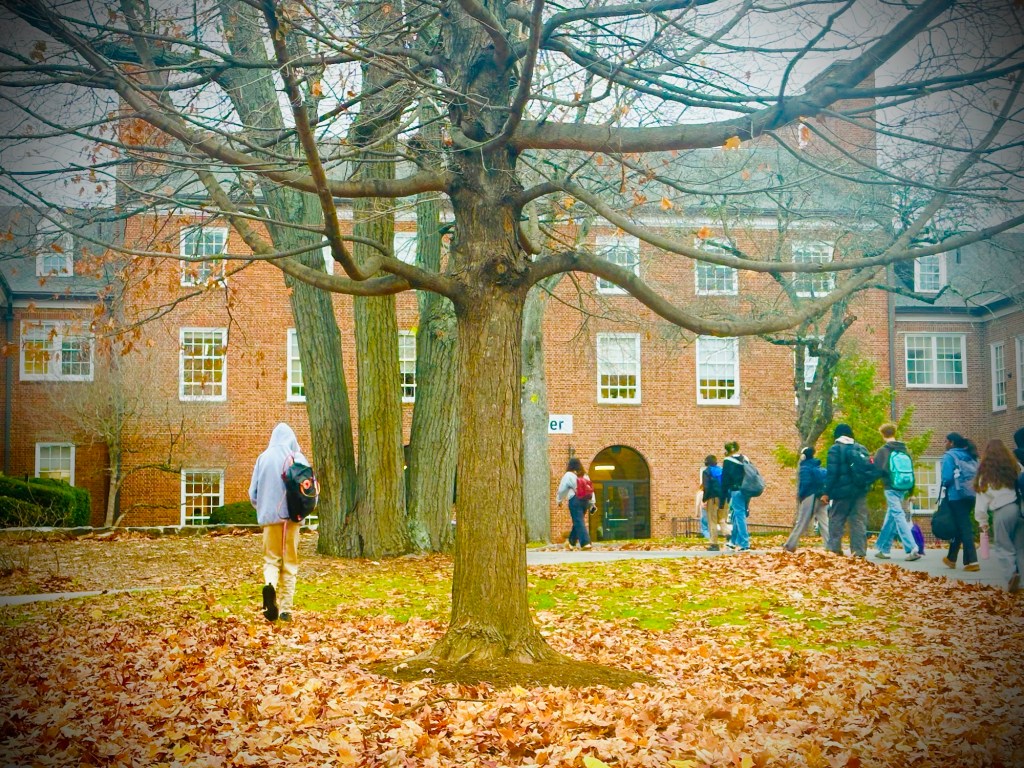
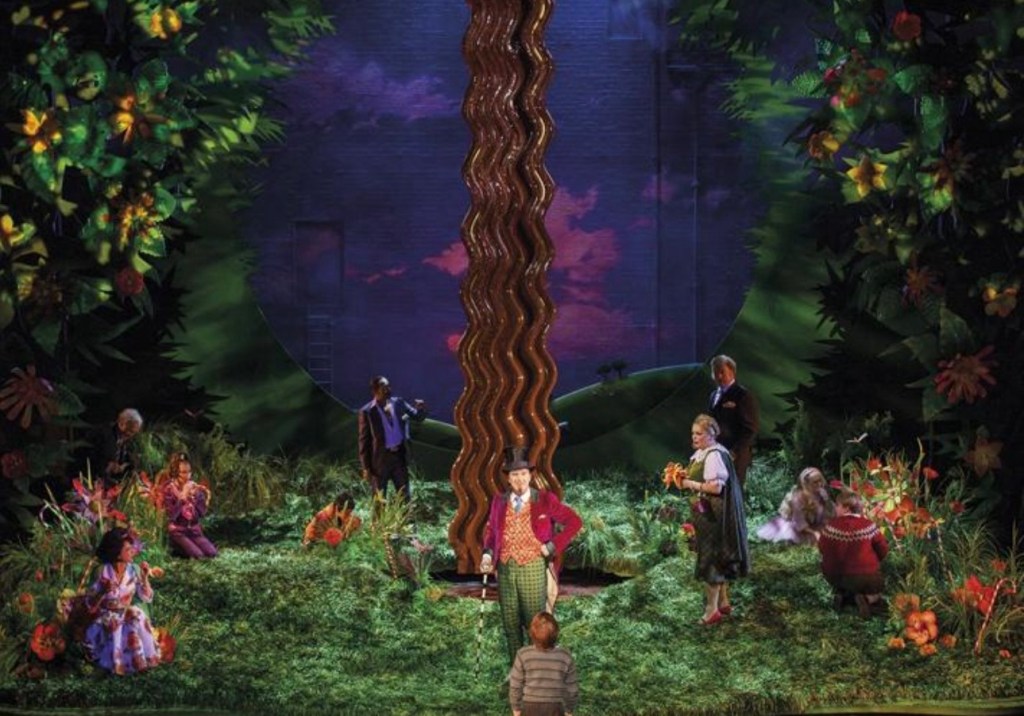
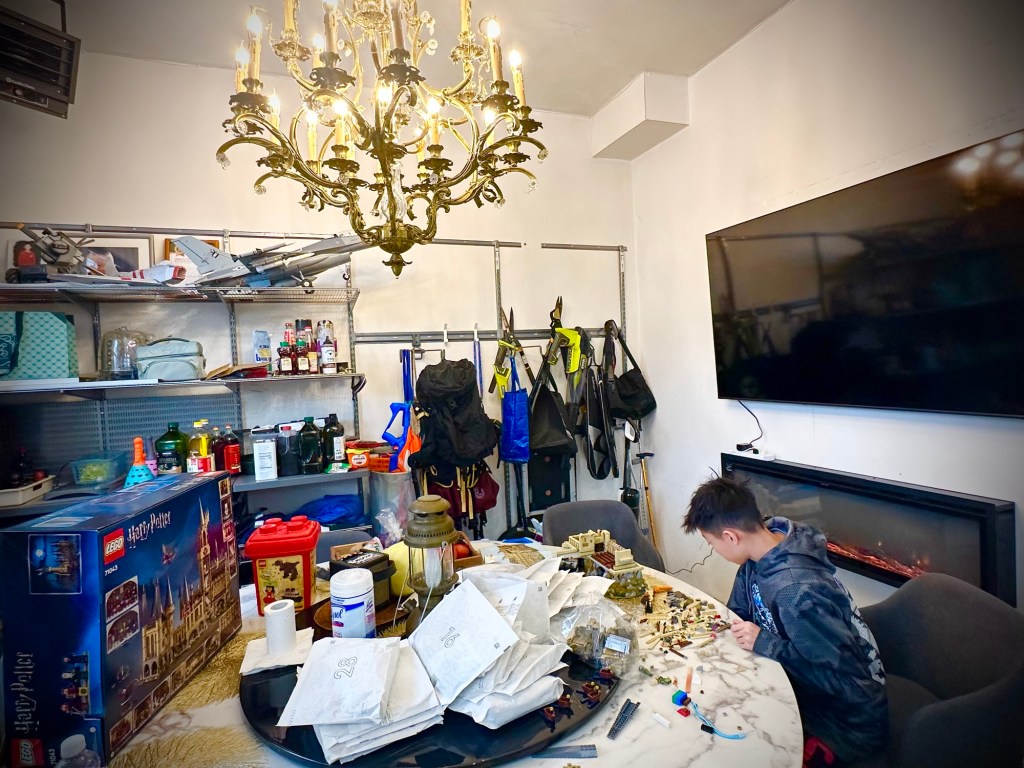
The archive began during the pandemic, when Yifeng was only six and much of everyday life had moved indoors and online. What started as a way of recording ordinary days gradually became a long-term habit. After the family moved to Boston, the archive continued to grow alongside a very different life — new schools, new friendships, new interests, new questions, and an expanding world.
From those early pandemic years to life in Boston today, the archive has become a record not only of what happened, but of how Yifeng changed in response to what happened. Across thousands of entries, it traces the gradual shifts in his language, confidence, humor, curiosity, interests, frustrations, ambitions, and ways of understanding the world.
What matters here is not any single journal entry, podcast episode, conversation, or project. The value lies in continuity. Childhood thinking is usually remembered only in fragments — a few stories, photographs, school reports, or family memories. This archive tries to preserve something more difficult to hold onto: the movement of thought itself, recorded close to the moment in which it was happening.
Over time, patterns begin to emerge. Certain questions return in new forms. Interests appear, deepen, disappear, and sometimes come back. Language becomes more precise. Opinions become more complicated. Confidence grows unevenly. New environments reshape old assumptions. A child who once described the world in simple terms gradually begins to argue with it, question it, interpret it, and form a point of view of his own.
That is the deeper purpose of A Mind in Motion: to make the growth of a mind visible over time. It is a living archive of childhood, preserving the everyday traces of growing up while revealing a longer intellectual and emotional trajectory — from early childhood toward adolescence and, eventually, adulthood.
Most of the writing, recordings, questions, and ideas in this archive come directly from Yifeng. His family helps preserve, organize, edit for clarity when necessary, and maintain the archive, while keeping his original voice, perspective, contradictions, and development at the center.
The goal is not to create a polished portrait of childhood after the fact. It is to preserve the evolution of a mind while that evolution is still unfolding — not as a summary written years later, but as a record created from inside the process of growing up.